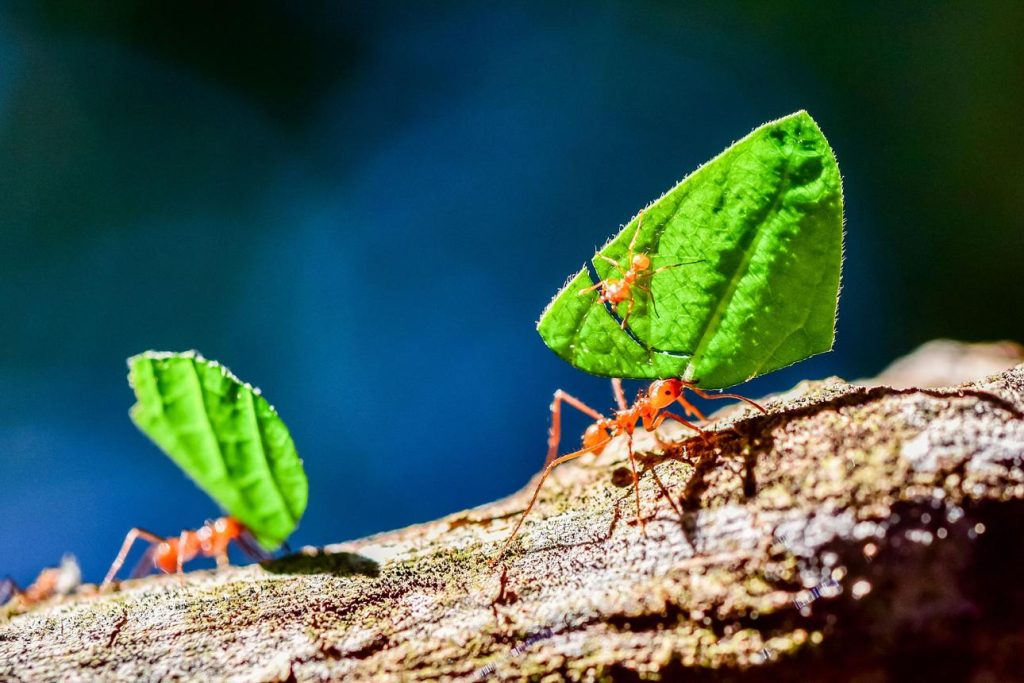
Category: Wildlife

  • 7 Strange Things That Can Happen to Endangered Species

    Endangered species are some of the rarest and most fascinating creatures on Earth. Because their populations are small and their habitats are constantly changing, these animals often experience unusual events and behaviors that scientists are still trying to understand. From changing gender to adopting new survival skills, endangered species can sometimes do things that seem almost unbelievable.

    Here are seven strange things that can happen to endangered species.

    1.Some Endangered Animals Can Change Their Gender

    One of the strangest phenomena in nature is the ability of certain animals to change their sex. Among some fish species, including populations that face conservation concerns in certain regions, individuals can switch from male to female when needed.

    This remarkable adaptation helps maintain breeding populations when mates become scarce. If the dominant female disappears, a male may transform into a female and take her place.

    Scientists believe this ability increases the chances of survival for small populations and helps endangered groups continue reproducing despite declining numbers.

    2.Rare Birds Sometimes Learn New Songs From Human Noise

    Many endangered bird species depend on songs to attract mates and defend territories. However, habitat loss and increasing human activity have created a surprising challenge.

    Some birds have begun altering their songs to compete with traffic, machinery, and urban noise. Scientists have discovered that certain birds sing at higher pitches or different times of day to make themselves heard.

    This unusual adaptation demonstrates how wildlife can respond to environmental changes in unexpected ways.

    In some cases, young birds may even learn modified songs from older generations, creating entirely new vocal traditions.

    3.Endangered Species Can Become Nocturnal
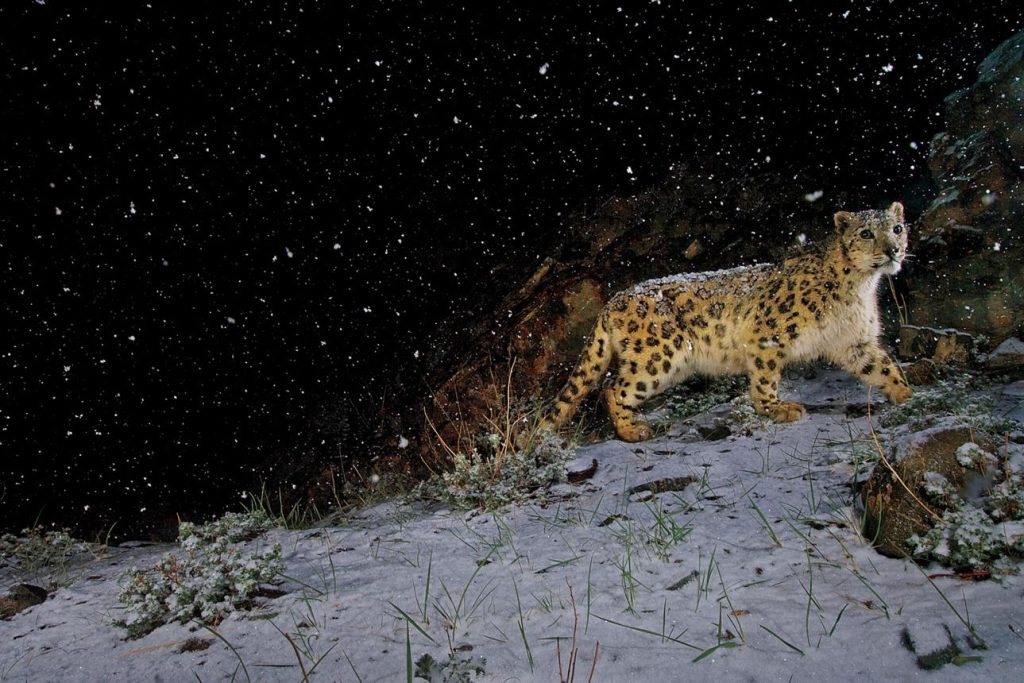
    Animals that were once active during the day sometimes become creatures of the night.

    As human populations expand into natural habitats, endangered species often encounter more people, vehicles, and development. To avoid these disturbances, some animals shift their activity patterns.

    Researchers have observed endangered mammals becoming increasingly nocturnal, hunting and traveling under the cover of darkness rather than during daylight hours.

    While this strategy helps them avoid danger, it can also affect feeding habits, social interactions, and reproduction.

    4.Some Animals Raise Babies That Aren’t Their Own

    Adoption is not limited to humans.

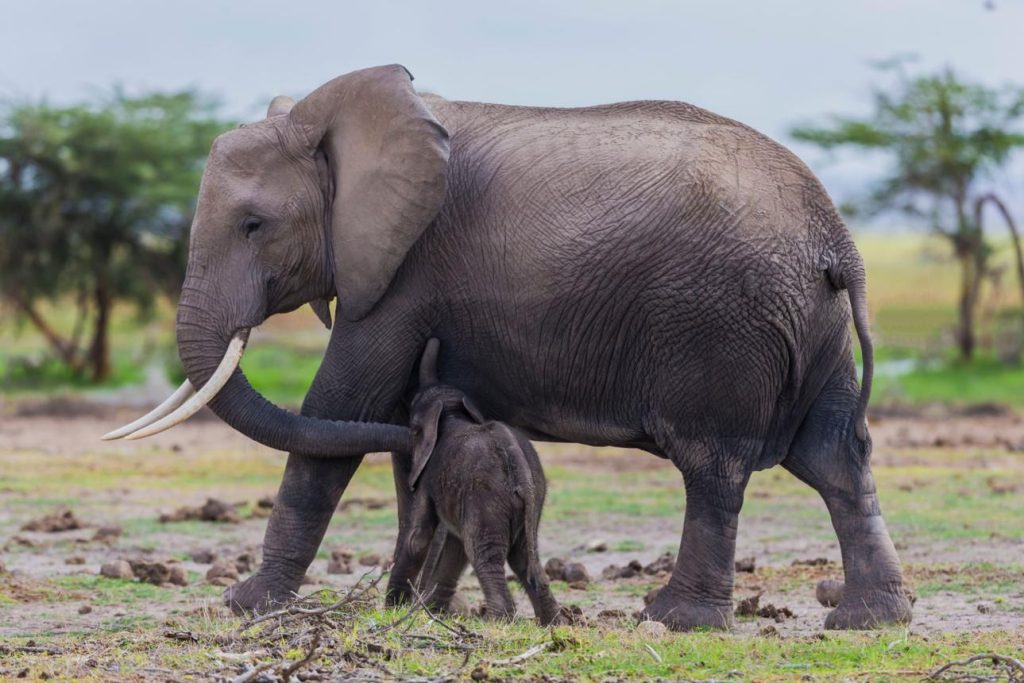
    Among endangered species, scientists have occasionally observed adults caring for orphaned young that are not their biological offspring.

    This behavior has been documented in various mammals, including primates and elephants. Adult animals may feed, protect, and nurture unrelated young after the loss of their parents.

    Such acts increase the survival chances of vulnerable offspring and may help maintain population numbers when every individual matters.

    For species on the brink of extinction, these unexpected acts of care can play an important role in conservation.
    5.Endangered Animals Sometimes Forget Natural Survival Skills

    Conservation programs have successfully bred many endangered species in captivity. However, an unusual challenge sometimes arises.

    Animals raised in protected environments may fail to learn important survival skills such as hunting, avoiding predators, or finding food.

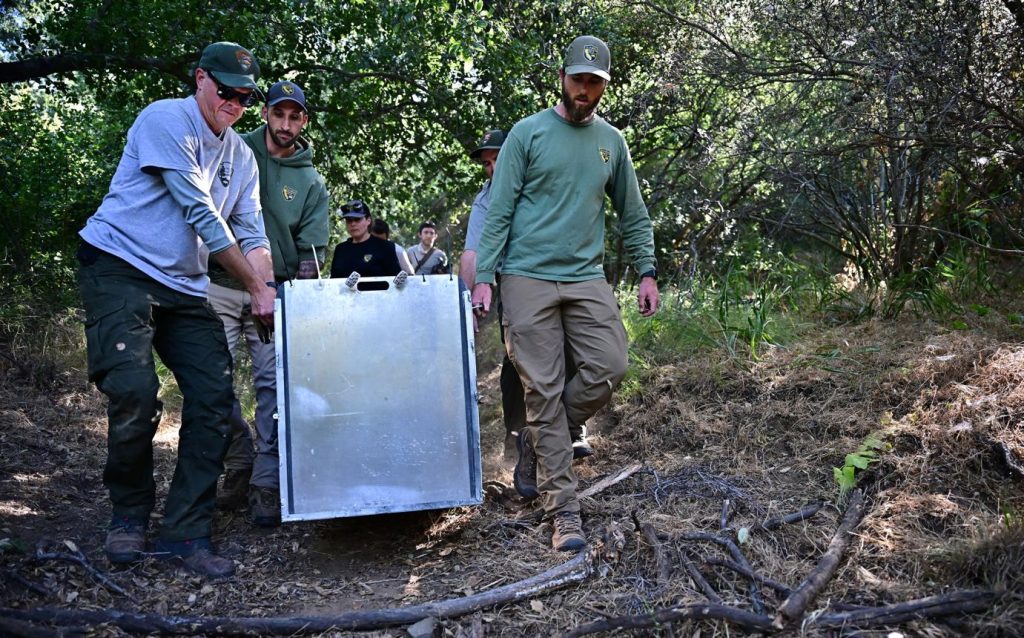
    When reintroduced into the wild, these animals often require special training to help them adapt.

    Conservationists may use simulated predators, natural feeding exercises, and social learning programs to prepare animals for life outside captivity.

    This strange situation highlights how survival is not based solely on genetics but also on learned behavior.
    6.Tiny Populations Can Develop Unusual Physical Traits

    When animal populations become very small, genetic diversity decreases.

    As a result, unusual physical characteristics may appear more frequently. Scientists sometimes observe rare color patterns, body shapes, or other distinctive traits in endangered populations.

    While some changes are harmless, others can create health challenges or reduce survival rates.

    Conservation programs often work to increase genetic diversity by carefully managing breeding populations and protecting habitat connections.

    These efforts help ensure healthier future generations.
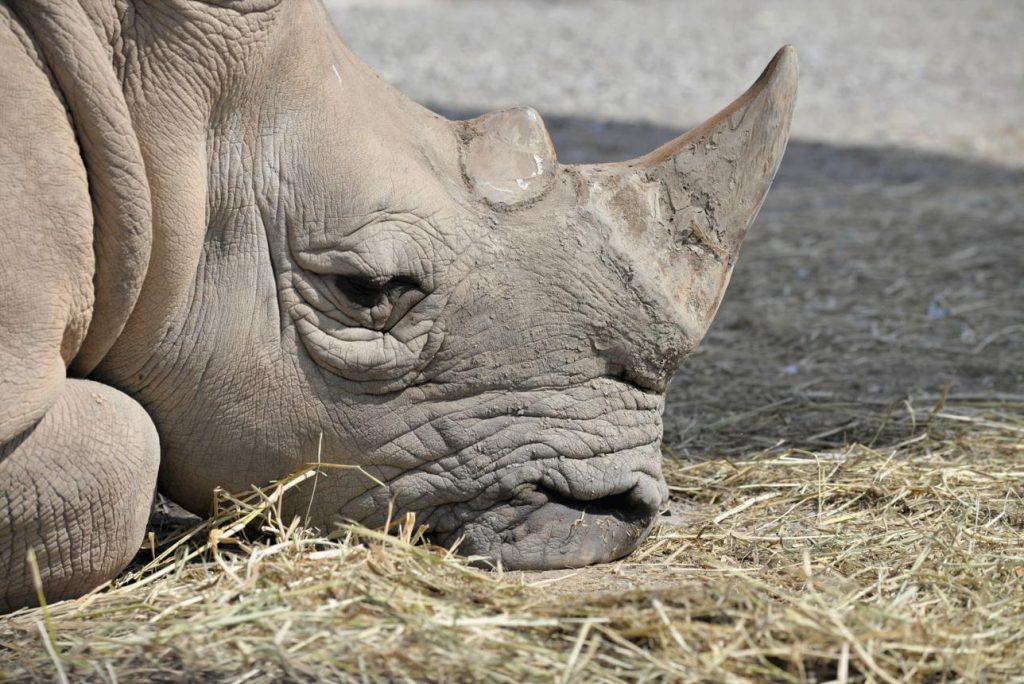
    7.Endangered Species Can Learn to Use Human-Made Objects

    Some endangered animals have displayed remarkable intelligence by adapting to modern environments.

    Researchers have observed certain species using human-made materials as tools, shelter components, or food-gathering aids.

    Birds may incorporate wires or plastic into nests. Mammals may learn to open containers or navigate obstacles created by people.

    These behaviors show how adaptable wildlife can be when faced with rapidly changing conditions.

    Although such innovations may help animals survive, they also remind us of the growing influence humans have on ecosystems worldwide.

    Why Protecting Endangered Species Matters

    Endangered species are more than just rare animals. They are essential parts of ecosystems that help maintain nature’s balance. Every species plays a unique role, whether it spreads seeds, controls pests, pollinates plants, or supports food chains.

    When endangered species disappear, entire ecosystems can suffer. Protecting these animals helps preserve biodiversity and ensures that future generations can continue to experience the incredible variety of life on Earth.

    The strange behaviors and adaptations described above demonstrate just how resilient wildlife can be. Yet even the most adaptable species need healthy habitats and conservation support to survive.

    By protecting endangered animals today, we help safeguard the natural world for tomorrow.
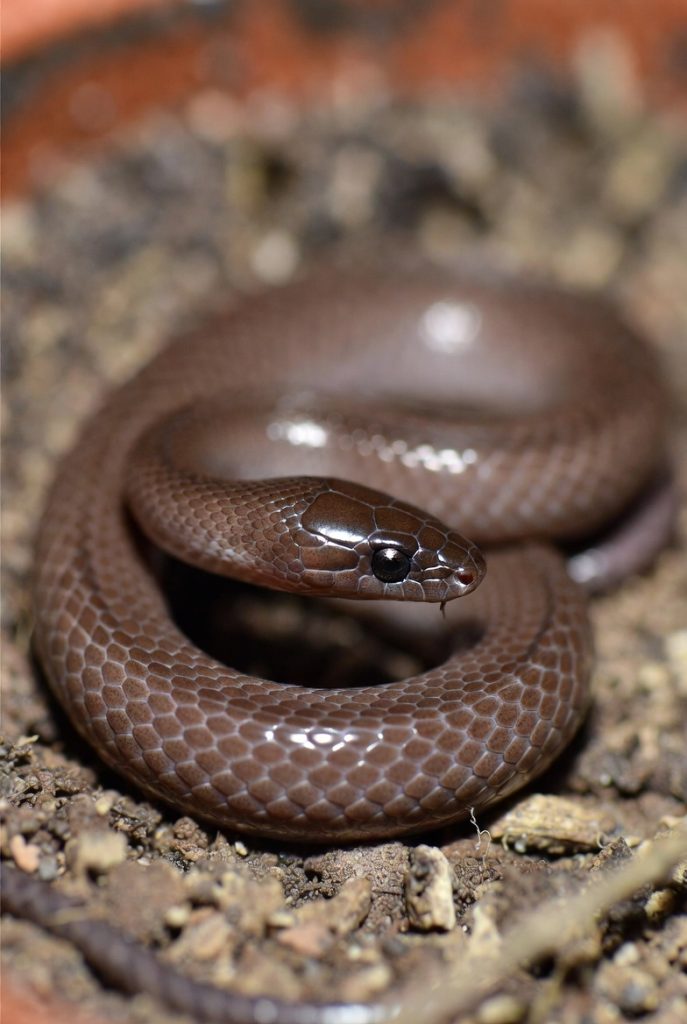
  • 5 Strange Things That Can Happen to Snakes

    1. They Can “Fly” or Glide Through the Air

    Certain snakes, like the paradise tree snake (Chrysopelea paradisi), don’t just slither—they launch themselves from trees and glide impressive distances (up to 100 meters or more). They flatten their bodies, spread their ribs, and undulate to steer and generate lift, turning a free fall into controlled flight. This helps them escape predators, hunt, or move between trees efficiently. They’re the only known limbless vertebrates capable of such gliding.

    These arboreal acrobats turn the forest canopy into their playground.

    2. They Can Reproduce Without Mating (Virgin Birth)

    The Brahminy blind snake (Indotyphlops braminus) is the only known snake species that is entirely female and reproduces exclusively through parthenogenesis—producing offspring that are genetic clones without any males involved. These tiny, worm-like burrowers can establish entire populations from a single individual transported in soil or plants. All offspring are female triploids, making them highly successful colonizers worldwide.

    Nature’s ultimate single moms—cloning themselves to spread across the globe.

    3. They Grow Tentacles on Their Snout

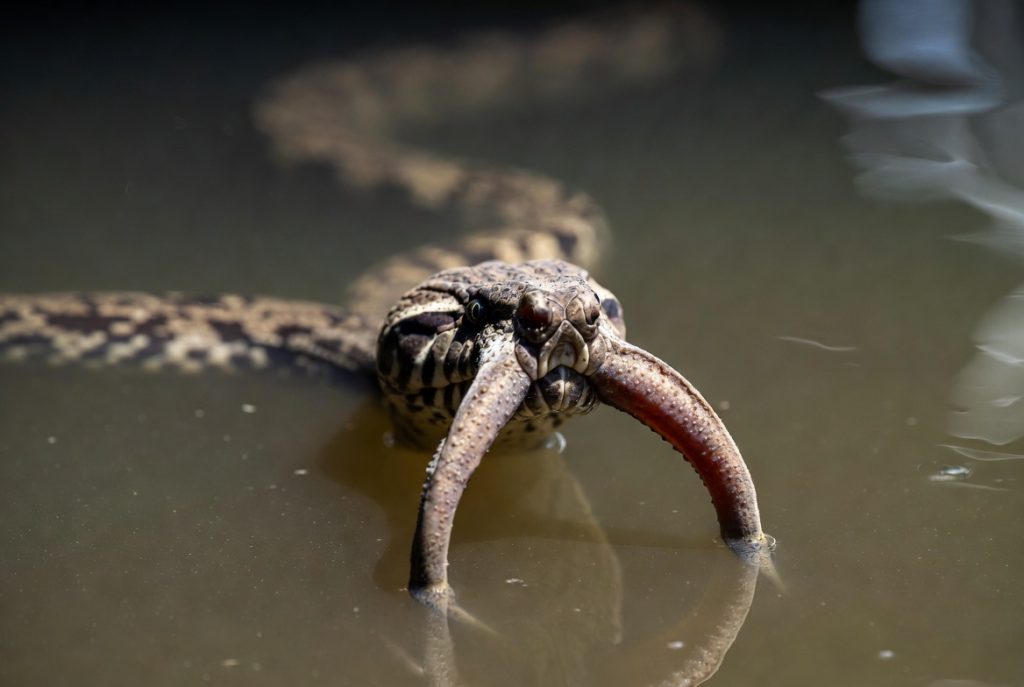
    The tentacled snake (Erpeton tentaculatum), a fully aquatic species from Southeast Asia, sports two unique, scaly tentacles protruding from its snout. These appendages likely serve as mechanosensors to detect fish movements in murky water or possibly as lures. This snake uses an ingenious ambush tactic: it forms a J-shape and startles fish into striking range with body movements. It’s the only snake with such facial “tentacles.”

    A snake that looks like it belongs in a sci-fi movie, perfectly adapted for underwater hunting.

    4. Their Tails Mimic Spiders to Lure Prey

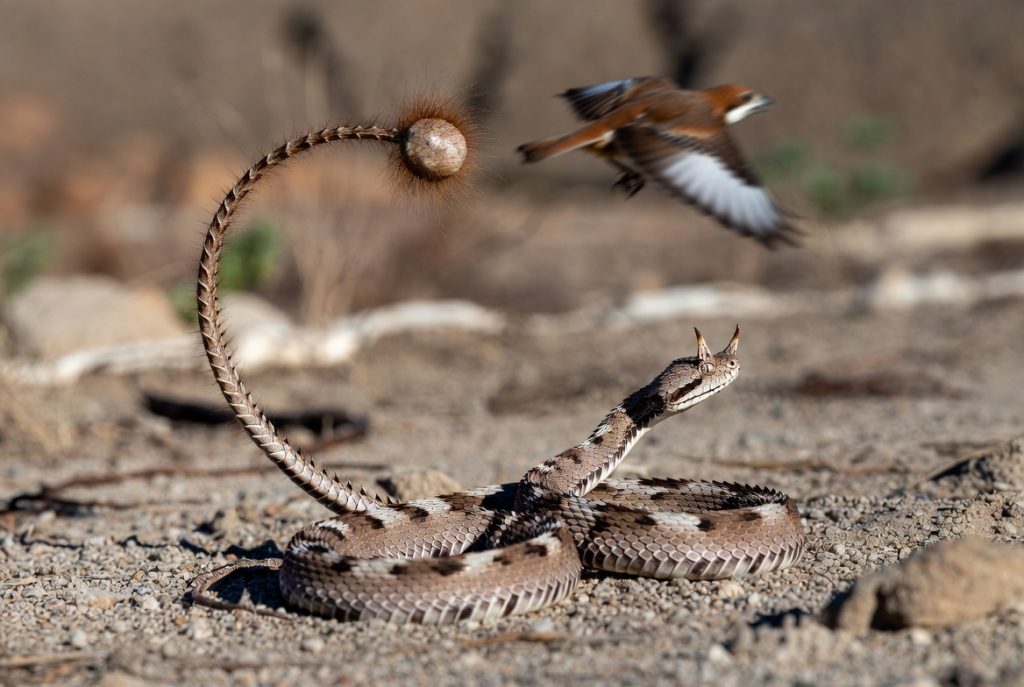
    The spider-tailed horned viper (Pseudocerastes urarachnoides) from Iran has a bizarre tail ending in a bulb surrounded by long, movable scales that perfectly imitate a spider. It wiggles this “spider” to attract insect-eating birds and lizards, which become the snake’s meal instead. Combined with its horns and excellent camouflage, it’s a master of aggressive mimicry.

    One of evolution’s cleverest traps—using a fake arachnid as bait.

    5. They Defend Themselves by “Farting” (Cloacal Popping)

    Some small snakes, like the Sonoran coral snake and Chihuahuan hook-nosed snake, use cloacal popping as a defense. They forcefully expel air (and sometimes musk) from their cloaca, creating loud popping or fart-like sounds that startle predators. The snake may also jerk its body, making the pops seem even more explosive. It’s an effective, energy-efficient way for small, non-aggressive burrowers to buy time to escape.

    When hissing isn’t enough, these snakes break wind to survive.

    Snakes continue to surprise us with their incredible adaptations. From aerial maneuvers to asexual reproduction and bizarre body parts, these reptiles prove that “strange” is often just another word for “perfectly evolved.” If you’re fascinated by wildlife, observing or learning about snakes (from a safe distance!) highlights the diversity of life on Earth. Always respect local wildlife and avoid handling unknown species.

  • 5 Strange Things That Can Happen to Snakes

    Snakes are some of the most unusual animals on Earth. While many people know that snakes slither and hunt prey, there are several strange things that can happen to them that seem almost unbelievable. Here are five fascinating examples.

    1.A Snake Can Shed Its Entire Skin

    2. Some Snakes Play Dead

    When threatened, certain snakes, such as hognose snakes, perform a dramatic act. They roll onto their backs, open their mouths, stick out their tongues, and appear dead. This behavior can fool predators into leaving them alone.

    3.A Snake Can Be Born With Two Heads

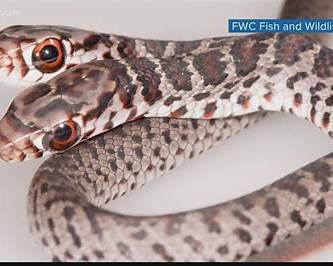
    Although rare, some snakes are born with two heads due to a condition called bicephaly. Each head can have its own brain and may even want to move in different directions. Two-headed snakes usually have difficulty surviving in the wild.

    4.Some Female Snakes Can Have Babies Without a Male

    A few snake species are capable of parthenogenesis, a form of reproduction in which a female produces offspring without mating with a male. Scientists have observed this unusual phenomenon in several species of snakes, making it one of the strangest reproductive abilities in the animal kingdom.

    5.Snakes Can Swallow Prey Much Larger Than Their Heads

    A snake’s jaws are connected by flexible ligaments, allowing it to open its mouth extremely wide. This enables some snakes to swallow animals much larger than their heads. After a large meal, a noticeable bulge may appear in the snake’s body until the food is digested.

    Conclusion

    Snakes are full of surprises. From shedding their skin and pretending to be dead to being born with two heads or even reproducing without a mate, these reptiles have some of the most unusual adaptations in the animal world. Studying these strange behaviors helps scientists better understand how snakes survive and thrive in many different environments.

  • Amazon Animal Stories – Adventures from the World’s Greatest Rainforest

    Amazon Animal Stories – Adventures from the World’s Greatest Rainforest

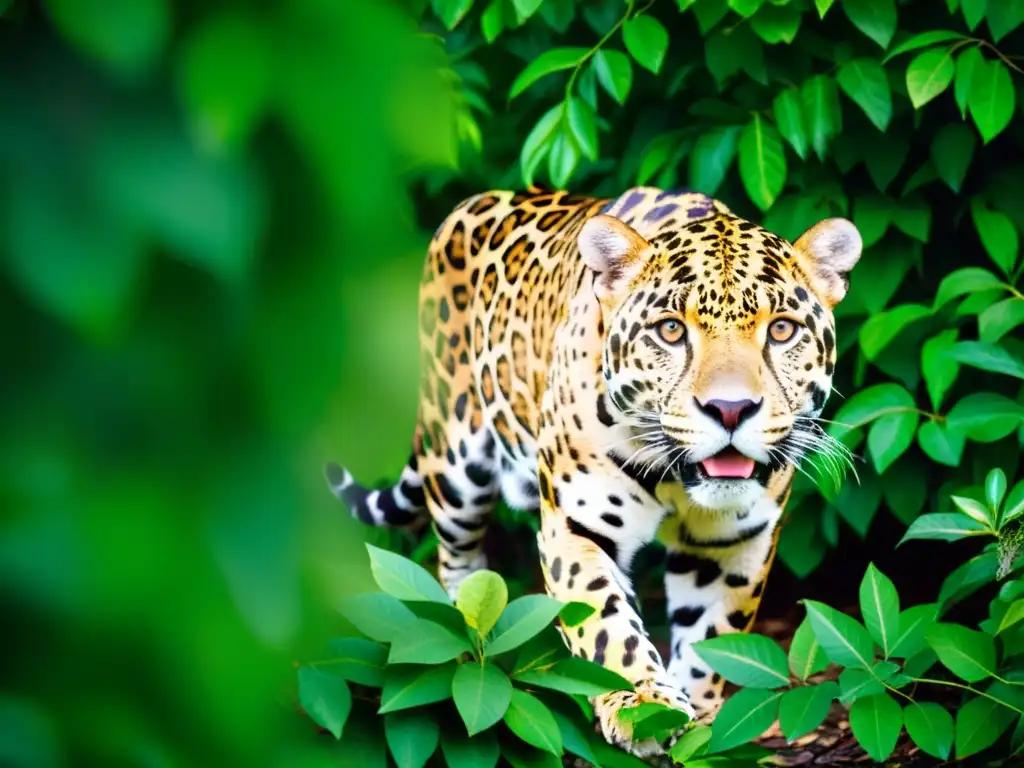
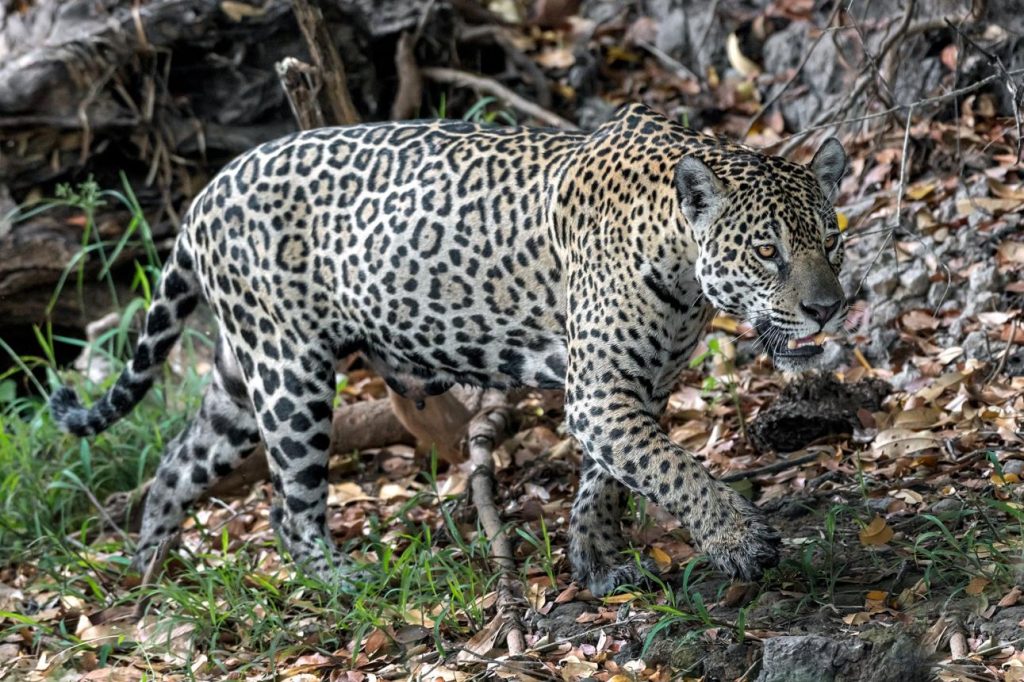
    The Brave Jaguar of the Black River

    Deep in the Amazon rainforest, a powerful jaguar named Kanu ruled the banks of the Black River. Unlike other jaguars, Kanu protected the smaller animals from danger.

    One dry season, a wildfire threatened the forest. Smoke filled the air, and frightened animals ran in every direction. Kanu noticed a family of capybaras trapped near the riverbank.

    Without hesitation, he led them through a hidden path known only to him. Along the way, he guided monkeys, birds, and even a sleepy sloth to safety.

    When the rains finally arrived, the forest was saved. The animals celebrated Kanu’s bravery and declared him the Guardian of the Black River.

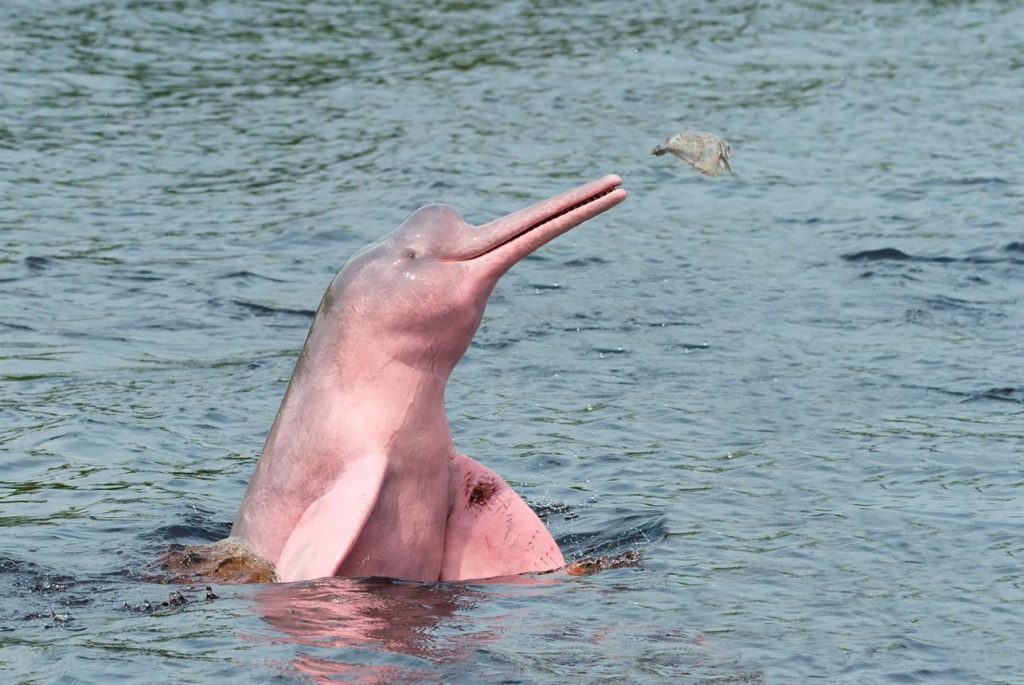
    The Pink Dolphin’s Secret

    Luna was a pink river dolphin who lived in a quiet section of the Amazon River. Every night, she explored hidden waterways no other animal knew existed.

    One evening, she discovered a young turtle caught in fishing debris. Luna carefully pushed the turtle to shore and called nearby otters for help.

    The grateful turtle revealed a secret lagoon filled with blooming water lilies. Soon, animals from across the rainforest visited the magical place.

    Luna became famous for her kindness, and the lagoon became a symbol of friendship throughout the Amazon.

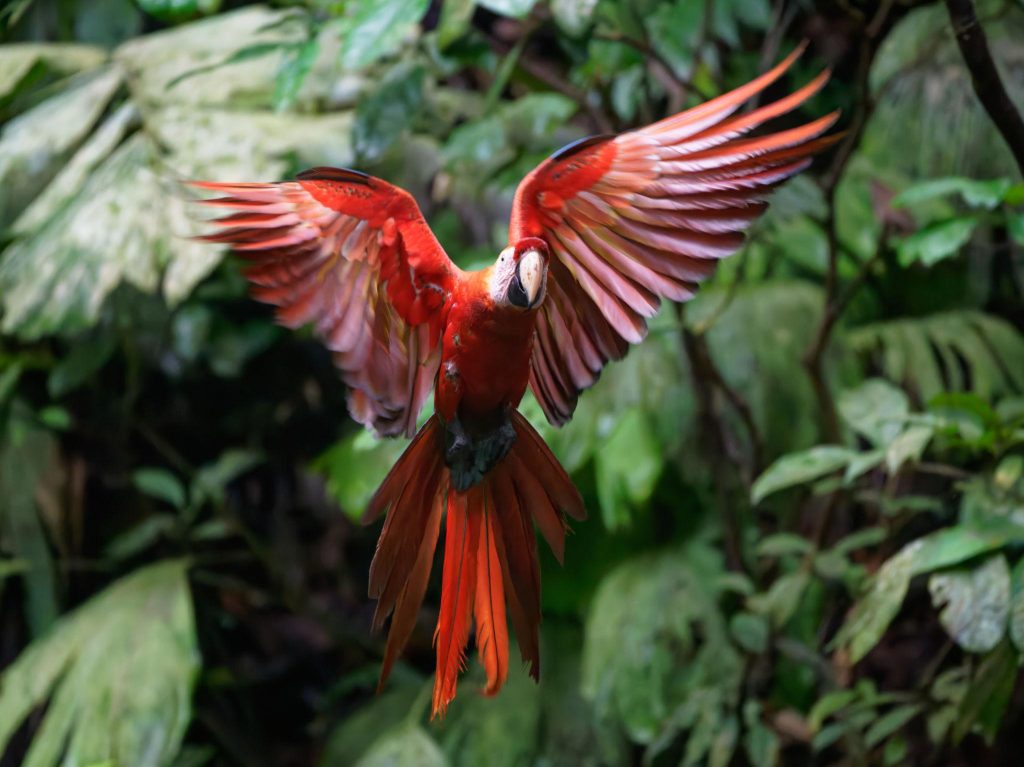
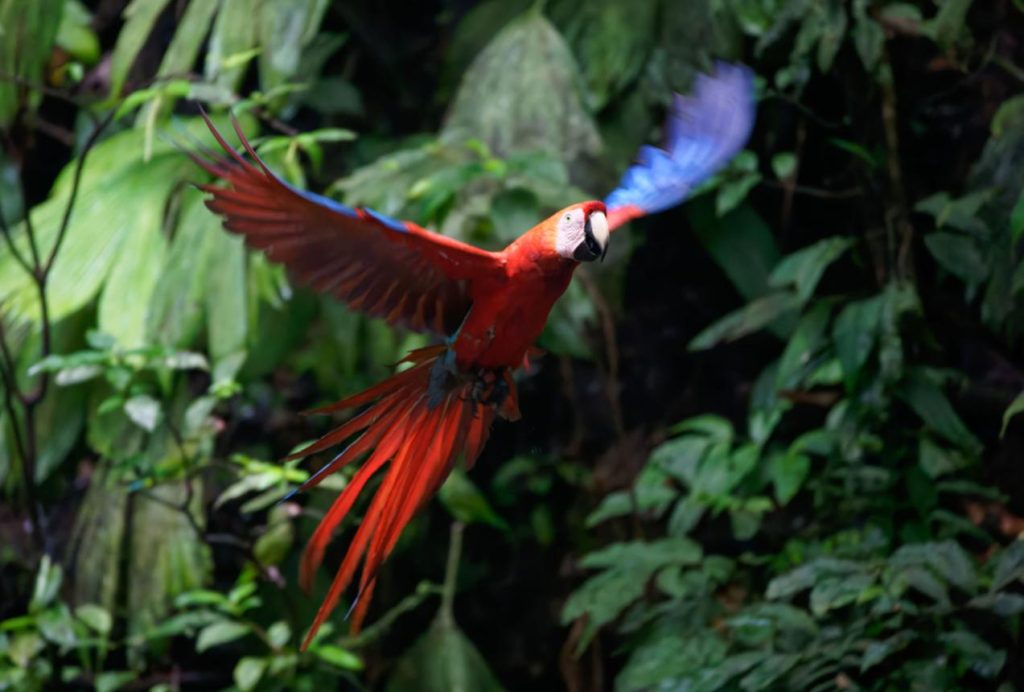
    The Curious Scarlet Macaw

    Rio the scarlet macaw loved adventure. While other birds stayed near their nests, Rio explored distant parts of the rainforest.

    One day, he discovered a giant fruit tree overflowing with food. Instead of keeping the secret, Rio shared the location with every hungry animal he met.

    Monkeys, toucans, and coatis gathered beneath the tree. Together, they enjoyed a feast unlike any before.

    From that day on, Rio was known as the Messenger of Good Fortune.

    The Giant Otter’s Rescue

    Tiko the giant otter spent his days swimming with his family. One afternoon, he heard cries from a baby monkey stranded on a floating log.

    The river current grew stronger by the minute. Tiko quickly paddled through the water and nudged the log toward shore.

    The monkey safely reached land, and the entire troop thanked Tiko for his courage.

    The story spread across the rainforest, inspiring others to help animals in need.

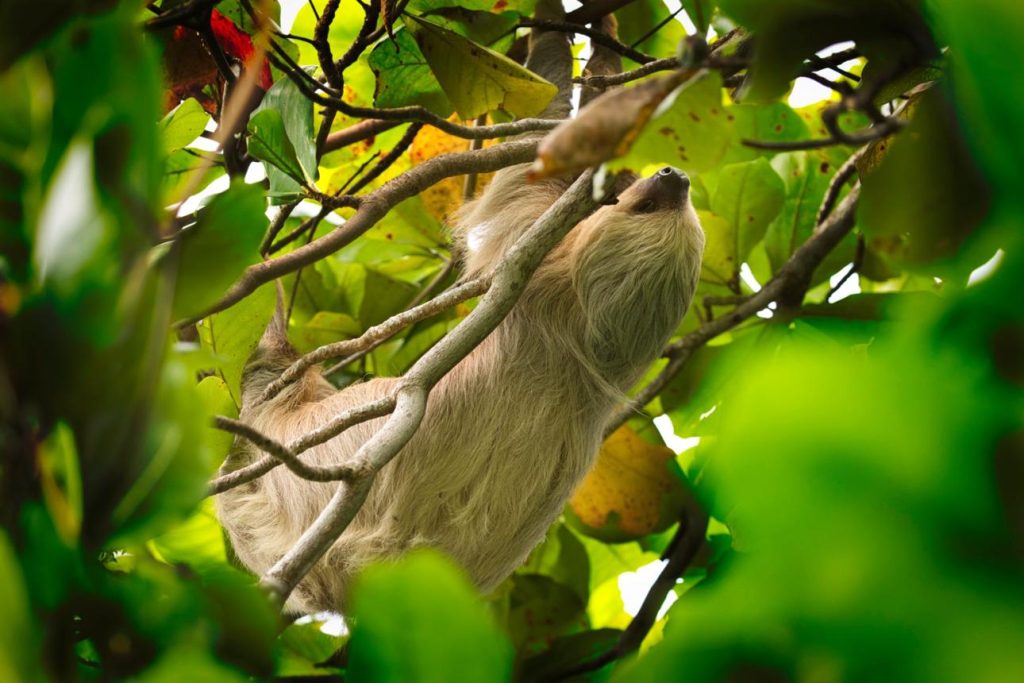
    The Sloth Who Loved Speed

    Sammy the sloth dreamed of being the fastest animal in the forest. Every day, he practiced moving a little quicker.

    Although he never became fast, he discovered something important. His slow pace allowed him to notice tiny details others missed.

    One day, Sammy spotted a dangerous snake near a monkey nursery. He warned the monkeys just in time.

    Everyone realized that being slow could be a special gift.

    The Toucan’s Golden Beak

    Tano the toucan had the brightest beak in the rainforest. Young birds admired him and often asked how he became so beautiful.

    Instead of boasting, Tano taught them about healthy fruits and caring for nature.

    Over time, the birds learned that true beauty comes from kindness and wisdom.

    Tano became the rainforest’s most respected teacher.

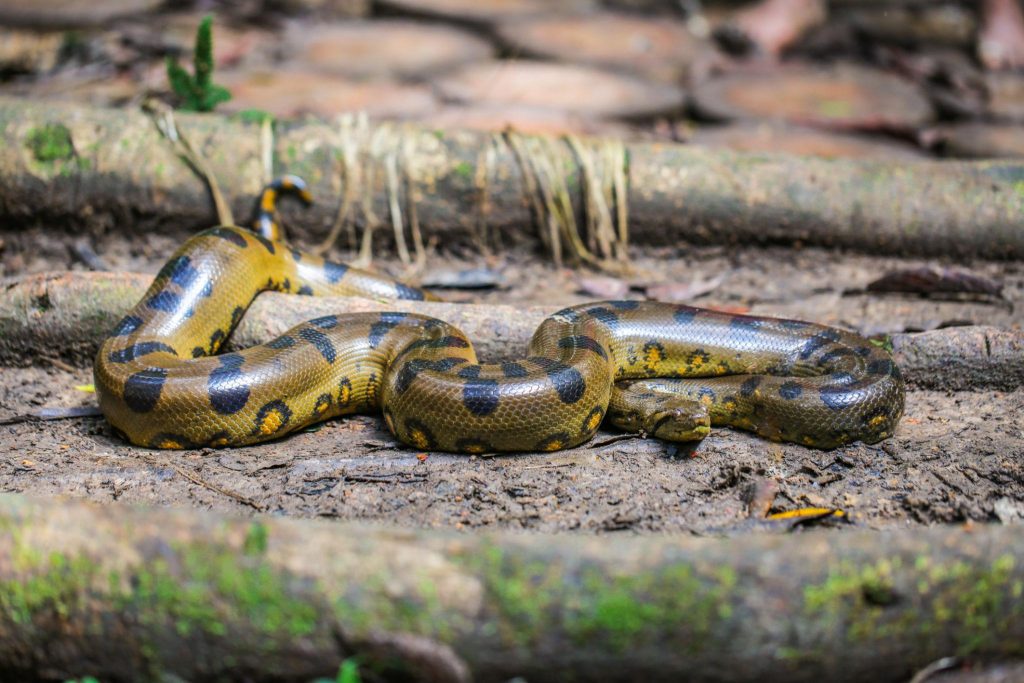
    The Anaconda and the Storm

    A massive anaconda named Zara lived beside a winding river. Many animals feared her because of her size.

    When a powerful storm flooded the forest, Zara used her long body as a bridge so smaller animals could cross safely.

    The animals realized she was not a monster but a protector.

    From then on, Zara earned the respect of the entire rainforest.

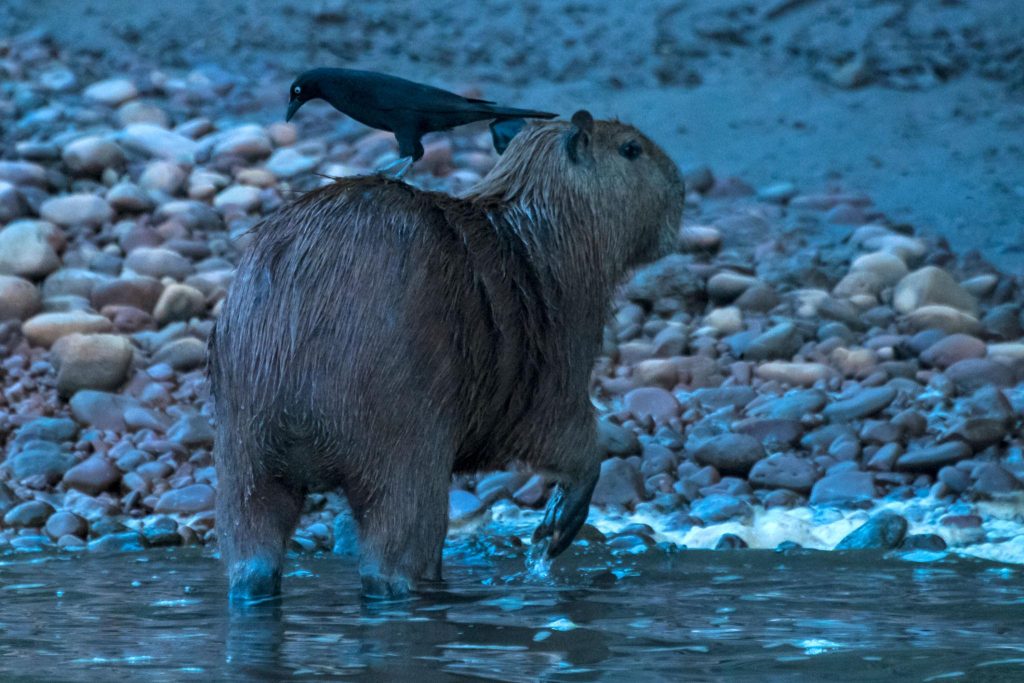
    The Capybara’s New Friends

    Carlos the capybara was the friendliest animal in the Amazon. Birds sat on his back, and fish swam beside him.

    When two groups of animals argued over a watering hole, Carlos invited everyone to share the space peacefully.

    His calm attitude brought harmony to the forest.

    Soon, the watering hole became a gathering place for all creatures.

    The Leafcutter Ant Kingdom

    Millions of leafcutter ants worked together beneath the rainforest floor. Their queen taught them that every job mattered.

    One season, heavy rains threatened their tunnels. The ants united to rebuild their home.

    Thanks to teamwork, the colony survived and grew stronger than ever.

    Their story became a lesson in cooperation for the entire rainforest.

    The Harpy Eagle’s Watch

    High above the rainforest lived Aria, a mighty harpy eagle. From her nest, she could see miles of jungle below.

    One day, she noticed illegal loggers approaching a nesting area filled with rare birds.

    Aria alerted monkeys, macaws, and other animals. Together, they created enough noise to scare the intruders away.

    The forest remained safe, and Aria continued watching over the Amazon from the sky.